
Apa yang menentukan jawapannya: Bluetooth 5 ialah spesifikasi, bukan keputusan pembelian
Satu RFQ diterima dengan satu baris bertulis “Bluetooth 5 android tv box,” diikuti permintaan empat varian perkakasan.pasukan pembelian perlu menentukan sama ada keperluan itu menerangkan generasi radio, revisi pengawal, sokongan perisian tegar, pensijilan, atau sekadar nama ringkas yang mudah untuk kombinasi Wi-Fi/Bluetooth.
android tv box hanya merupakan kategori produk dalam permintaan tersebut, bukan kriteria penerimaan yang lengkap. Bagi pengendali, penyepadu atau贯彻执行 di lokasi, jawapan penentu ialah konfigurasi perkakasan yang telah disahkan dengan spesifikasi Bluetooth berdokumen, kes penggunaan pasangan dan kawalan yang jelas, sokongan platform serta bukti pengeluaran. RFQ mesti mengenal pasti chipset radio atau modul, versi Bluetooth, profil yang disokong, reka bentuk antena, jalur operasi, status peraturan, integrasi sistem operasi dan kaedah ujian secara berasingan. Untuk penjelasan yang lebih menyeluruh tentang batas teknologi ini, lihat Bluetooth 5 Android TV Box: What It Is and What It Is Not.
Jadi, baris spesifikasi yang berguna berbunyi: “Bluetooth 5.4, 2.4 GHz, konfigurasi radio produksi; senaraikan perkhidmatan GATT, tingkah laku HID dan aliran kerja pasangan yang diperlukan; berikan pengenalan modul, konfigurasi antena dan bukti pensijilan.” Versi sahaja tidak menetapkan julat penggunaan, tingkah laku pengawal, prestasi gangguan atau keserasian aksesori.
Bagi DataMax, Bluetooth disepadukan ke dalam platform, bukan dijual sebagai cadangan modul terpencil. Keempat-empat platform yang disenaraikan menerbitkan “BT5.4” bersama sambungan Wi-Fi6, manakala pemproses dan sistem operasi mereka berbeza. Oleh itu, perolehanlongitude_hourglass_tohatsu_leasing_kaupreset_hotel_kaupreset
| Situasi pembelian | Keperluan utama | Arah model |
|---|---|---|
| Pengosmahan pengendali IPTV | Onboarding aksesori berpasangan yang stabil, kawalan middleware, laluan pemulihan dan konfigurasi produksi yang boleh dijejaki | Gunakan platform berorientasikan pengendali dan sahkan Bluetooth terhadap middleware pengendali; DM21P diposisikan untuk IPTV 4K dan middleware pengendali |
| Program OTT jenama putih | Integrasi perisian yang boleh dikonfigurasi, fleksibiliti storan yang mencukupi dan garis dasar radio/perisian yang konsisten | Nilai kesesuaian DM21S untuk IPTV/OTT jenama putih 4K, kemudian sahkan keperluan middleware dan peranti tepi |
| Bilik UHD premium atau gim awan | Tingkah laku pengawal latensi rendah, keupayaan media 4K dan matriks ujian peranti tepi berdokumen | Gunakan DM21T sebagai calon platform dan sahkan laluan pengawal sebenar; sokongan Bluetooth dalam datasheet bukan bukti keserasian setiap aksesori |
| Program runcit atauhospitaliti berorientasikan gim | Pasangan yang boleh diulang, kawalan perisian tegar dan keserasian merentas senarai kawalan gim yang dipilih | Nilai DM22Q berbanding set kawalan sasaran dan sahkan terhadap datasheet produksi |
| Penyepadu bilik mesyuarat atau paparan | Kawalan input peringkat bilik, sandaran kabel dan prosedur sokongan apabila rangkaian tidak tersedia | Pilih berdasarkan keperluan I/O dan kawalan yang lengkap, bukan generasi Bluetooth sahaja; bandingkan keempat-empat platform DataMax |
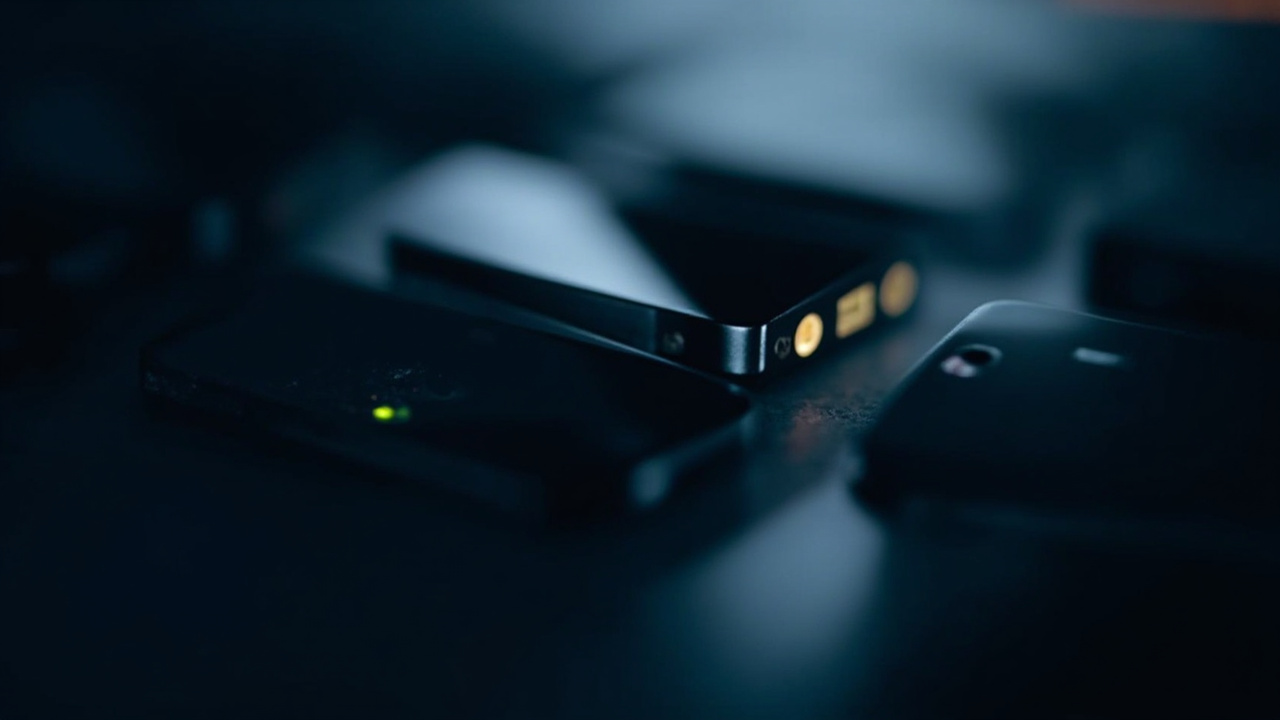
Fotografi di bawah menunjukkan di mana masalah pembelian bermula secara fizikal: radio dan pemproses disepadukan pada papan yang sama, tetapi pakej yang kelihatan tidak mendedahkan secara sendirian susunan antena, sokongan perisian tegar atau skop pensijilan.

UjianXFCommissioning dalam keadaan sebenarhendaklah merangkumi “bangku pasangan.” Letakkan setiap SKU produksi bersebelahan dengan senarai peranti tepi yang diluluskan, ulang ujian pasangan dan sambungan semula, serta rekod kegagalan mengikut jarak bilik, keadaan gangguan dan status rangkaian. Bagi pengendali, sampel utama bukanTelefon tangan berdiri sendiri; ialah aplikasi pengendali, middleware, mekanisme kemas kini dan timunan dasar yang digunakan dalam Perkhidmatan. Bagi penyepadu, ia ialah pengawal sentuh, papan kekunci, pad gim, pengawal presenters dan peranti audio sebenar yang dihantar bersama pemasangan.
Bluetooth 5.4 muncul dalam fakta keempat-empat platform DataMax, jadi ia tidak sepatutnya digunakan sebagai pembeza. Pembeza ialah generasi pemproses, keluaran Android, konfigurasi memori, tingkah laku media, I/O berwayar dan aplikasi yang dimaksudkan. Lokasi yang membeli satu unit untuk demonstrasi dan pengendali yangencépa_arm_need_languages_factual_en_kaupreset
Ujian pengendali yang praktikalvé_kaupreset_kaupreset
Perbezaan utama antara pembeli ini bukan versi radio tetapi tanggungjawab penerimaan. Pengendali mungkin memerlukan dasar berpusat, identiti peranti dan diagnostik armada; penyepadu mungkin mengambil berat tentang tingkah laku kawalan bilik tempatan dan kabel sandaran; lokasi mungkin memerlukan prosedur tetapan semula untuk peralatan kongsi. Setiap keperluan perlu dimasukkan ke dalam RFQ sebelum platform dipilih ke senarai pendek.
For procurement planning, ask each party to name one representative use case. The operator might specify a paired remote that must survive an application restart. The integrator might specify a presenter control that must operate during a network outage. The venue might specify a shared-room reset that removes an old controller without service intervention. Those examples expose different middleware permissions, support procedures, and test fixtures. They also prevent an attractive but irrelevant Bluetooth feature from becoming the selection criterion.
How to choose, step by step: from shorthand to testable RFQ
Start by converting “Bluetooth 5 android tv box” into an observable user journey. Identify whether Bluetooth carries remote input, audio, configuration, file transfer, beacon interaction, or device discovery. Define what success means: one tap after boot, reconnection after standby, recovery after network loss, or simultaneous operation with a specific peripheral. This step prevents a version number from replacing an engineering acceptance criterion.
- Define the peripheral and control model List each approved controller, keyboard, headset, remote, pairing tag, and mobile application. Record the required Bluetooth role, profile, GATT service, HID mapping, codec, or application interface.
- Write the radio specification line State the required version, 2.4 GHz band, antenna form, coexistence requirement with Wi-Fi6, regulatory market, and whether the radio is production-fixed or subject to supplier substitution.
- Define the software boundary Name the operating system, middleware, launch environment, permissions, update path, and the party responsible for Bluetooth stack integration and accessory certification.
- Create the test matrix Specify pairing method, reconnection time target, device-count target, distance, obstacle, interference, sleep/wake, reboot, and recovery conditions. Convert these into measurable acceptance limits before the quotation.
- Freeze the golden sample Identify the exact production revision containing the approved PCB, radio module, firmware image, middleware build, peripherals, packaging, and accessory kit. Record revision identifiers in the purchase order and approved sample record.
- Set evidence and change control Require production test evidence, regulatory documents for the target market, and advance notification for component, firmware, antenna, or accessory changes.
The resulting RFQ line should be paste-ready: “Provide the proposed SKU, SoC, AOSP release, RAM/ROM, Bluetooth version, radio/module identification, antenna configuration, supported profiles and services, Android integration responsibility, approved peripheral list, Wi-Fi coexistence test method, pairing/reconnection acceptance limits, target-market certification documents, production test coverage, and any proposed substitutions.”
A practical flow connects the commercial request to the engineering release:
A good accessory matrix includes the device name, role, profile or service, expected pairing mode, firmware version, test room, and result owner. It should distinguish a supported input device from a device that merely scans. If the application uses a proprietary service, state the UUID and data fields; if it uses HID, state the report layout and button expectations. This prevents a successful general Bluetooth scan from being mistaken for operational compatibility.
The selection process should also reserve a place for fallback behavior. A remote-control program may use Bluetooth during normal operation but require a wired input method during recovery. A venue program may need a documented reset procedure for shared rooms. A managed operator needs a way to revoke a lost or decommissioned accessory. These procedures affect software ownership, middleware APIs, and service documentation even when the radio itself passes.
For a DataMax android tv box evaluation, close the RFQ loop by attaching the proposed model’s configuration sheet to the acceptance record. Do not approve “BT5.4” without linking it to the exact board, firmware, and peripheral fixture. That single linkage makes later complaints actionable because the buyer can identify the exact configuration that was tested.
The final step before quotation approval is a requirement-owner review. The commercial owner confirms that the request matches the actual deployment, the engineering owner confirms that each clause can be tested, and the quality owner confirms that the evidence can be produced. This review should reject vague clauses such as “full Bluetooth compatibility.” Replace them with a peripheral list, test conditions, and a signed result. For any android tv box proposal, the same rule applies across operator middleware, white-label applications, and gaming-room control: the deliverable must be identified by a configuration, not by a connectivity label.
What goes wrong after the PO: the hidden specification gaps
The first field trap is version equivalence. A quotation may say “BT 5.4,” while the production BOM contains a different radio, module, antenna, or firmware path. Even when the advertised version matches, the implementation can differ in the profiles, services, pairing model, host stack, and coexistence behavior relevant to the deployment.
Field trap
A Bluetooth version alone does not freeze the deliverable. If the purchase order omits the radio/module identifier, antenna configuration, peripheral list, firmware baseline, and substitution rules, the buyer can receive a unit that passes a generic scan yet fails the intended controller workflow. The rework cost then reaches firmware integration, certification review, packaging changes, accessory qualification, and field-service replacement.
Further divergences appear when the quotation and the approved sample differ. Confirm that the sample carries the same PCB revision, radio configuration, AOSP image, middleware, firmware, remote-control scheme, and peripherals as the production order. Record images and identifiers in the golden-sample record. Require written change control for component substitutions; a “equivalent” radio can alter regulatory documents, host-driver integration, antenna performance, or accessory behavior.
Software ownership is another common gap. AOSP Android 11 or AOSP Android 14 identifies the base platform, but the buyer must determine who owns Bluetooth enablement, permission policy, pairing UI, middleware APIs, system updates, and accessory regression testing. If those tasks are split between the operator, middleware vendor, and DataMax, name each owner and its release deliverable.
Finally, validate claims against the actual use case. Remote-control pairing, a gamepad, a Bluetooth headset, and a phone-based commissioning application are different paths through the Android stack. A successful demo with one device is not evidence for a qualified accessory fleet. The commercial error is not a failed transaction; it is approving a broad accessory claim based on a narrow test.
A third gap is the distinction between a stock unit and a delivery configuration. A procurement team may approve a 2GB / 8GB sample, while the production order changes memory, firmware, packaging, or the remote-control application to meet regional requirements. Bluetooth can appear unchanged while the Android permissions, input mapping, and update behavior differ. The sample record must therefore name the exact configuration and list the accessories that will ship beside each unit.
A fourth gap is the lack of a failure-ownership matrix. When a controller loses pairing after an update, the operator may blame the hardware, while the middleware team assumes that Bluetooth is a platform responsibility. Write one row per failure class: discovery, pairing, reconnection, coexistence, update regression, and device removal. For each row, name the owner, test evidence, workaround, and escalation path. This prevents the discovery problem from consuming the whole field-debugging budget.
A fifth gap is the unverified regional configuration. The supplied platform facts list BT5.4 but do not provide a market-by-market radio approval schedule. Procurement should therefore ask the supplier to identify the applicable target-market documents and the build identifier to which they apply. The answer should be recorded with the purchase order, because a valid document for one radio configuration does not automatically validate a later substitution.
How the factory controls the variable: evidence from production
Bluetooth variability is controlled only when the factory turns the RFQ into a controlled configuration. DataMax’s manufacturing role begins with approved component sourcing and ends with a traceable production record linked to the shipped configuration. The buyer’s requirement should enter the build as a controlled item, not remain an RFQ annotation.
- Design and sourcing control Freeze the approved radio/module, antenna, processor platform, PCB revision, and relevant software baseline. Identify which changes require buyer approval rather than ordinary production substitution.
- SMT and inspection Apply the approved process to board assembly and verify placement of the radio and antenna-related components. Use AOI or the applicable process inspection to detect missing, shifted, or incorrectly oriented components; supplement visual checks where required by the approved build plan.
- Functional and RF verification Exercise power, Wi-Fi, Bluetooth discovery, pairing, reconnection, and the approved accessory path. Record pass/fail results against the frozen test specification rather than a generic “Bluetooth OK” result.
- Burn-in and aging Apply the approved aging plan to catch assembly, thermal, connectivity, and early-life failures. Include repeated power cycles, standby transitions, and accessory reconnection in the relevant test sequence.
- Audit and release Compare the production configuration with the golden sample, reconcile test records, and withhold shipment if configuration or evidence does not match the approved record.
The release package should identify the exact SKU and configuration revision, map test results to the Bluetooth acceptance criteria, reference the golden sample, and state the change-control status. Buyers can request topic-specific SMT/AOI, aging, and RF evidence through DataMax factory-quality documentation, or arrange a video factory audit before scaling the order.
The test fixture also matters. A production test with one generic Bluetooth peripheral may not expose the behavior required by a gamepad, headset, or operator remote. The fixture should be version-controlled alongside the acceptance matrix. Changes to Android firmware, radio driver, Bluetooth stack, middleware, or peripheral firmware can alter behavior and should trigger regression review.
For an android tv box program, the evidence chain should be readable without reverse-engineering the factory workflow. Request the configuration identifier, inspection record, functional test result, aging record, and shipment-lot reference for the same unit or controlled lot. A summary sheet without traceability is insufficient because it cannot demonstrate which hardware revision was tested.
The production sequence should also include a negative check. The line should be able to detect a missing radio component, an unauthorized firmware image, or a failed accessory path before packing. A simple LED or scan result is not enough; the record should show the result of the actual approved workflow. This gives procurement a defensible answer when a distributor asks whether the delivered configuration matches the pilot.
The release file should also reconcile three distinct identities: the hardware configuration, the software configuration, and the accessory fixture. A radio can be physically correct while the wrong driver image is installed; a correct image can be paired with an unapproved peripheral; an approved peripheral can behave differently after a middleware update. The factory evidence packet should link all 3 rather than showing each in isolation.
Two routes, one bill of differences: entry configuration versus committed deployment
Buyers commonly see two commercial routes. The first is a configuration-led route: the platform is selected from published connectivity and I/O facts, with the peripheral behavior validated later. The second is a commitment-led route: the buyer freezes a golden sample, test matrix, evidence package, and change-control process before the production order. The second route requires more engineering work, but it reduces ambiguity after the purchase order.
| Decision point | Configuration-led route | Commitment-led route |
|---|---|---|
| Product selection | Matches Bluetooth and broad platform requirements | Matches a frozen production configuration |
| Peripheral validation | Performed during initial engineering review | Performed against the approved golden sample and pilot |
| RFQ language | Uses version-level connectivity statements | Names radio, antenna, services, profiles, firmware, and acceptance limits |
| Release evidence | Checks platform connectivity broadly | Reconciles configuration, SMT/AOI, functional, aging, and audit records |
| Change control | Commercial notification for material changes | Advance approval and regression evidence for specified changes |
| Best fit | Controlled evaluation, demonstration, or a small defined program | Managed operator, integrator, or venue deployment |
The chart presents an editorial planning score, not measured production data. It illustrates why progressively freezing the requirement can reduce rework exposure.

The same figures, in searchable form:
| Stage | Editorial score |
|---|---|
| Requirements only | 25/100 |
| Requirements plus target price | 46/100 |
| Approved golden sample | 74/100 |
| Pilot batch sign-off | 91/100 |
Source: DataMax editorial team, qualitative planning scale (0-100), not audited or measured data.
The bill of differences also includes engineering hours. The configuration-led route usually asks the supplier to state a radio version and the buyer to test later. The commitment-led route adds accessory qualification, firmware-baseline capture, a controlled sample, a pilot sign-off, and a documented change process. For a large managed deployment, that effort is normally less expensive than field replacement after a controller workflow fails.
The route should also align with the accessory count. A single remote and one demonstration unit can use the configuration-led path. A fleet with several controller models, remote-control applications, and regional firmware images needs the commitment-led path. The key control is not the number written on the purchase order; it is the number of configurations and peripherals that the release process can identify.
For android tv box sourcing, commit only after the selected row in this comparison has a named owner. The commercial owner should approve the bill of differences, the engineering owner should approve the test matrix, and the quality owner should approve the evidence package. If one role remains unassigned, the program can still start but cannot close the configuration risk.
A useful decision rule is configuration count. If the program has one hardware revision, one software build, and one approved accessory list, the configuration-led route can be documented with a narrow test record. If any of those 3 can vary by market, customer group, or shipment, the commitment-led route is more defensible. The goal is not to add paperwork for its own sake; it is to ensure that a shipment can be traced back to a tested behavior.
How the requirement actually works: radio, stack, pairing and coexistence
Bluetooth 5 is a family of Core Specification releases, not a guarantee that every product feature associated with the number is enabled. Buyers should distinguish the Bluetooth radio/controller, the host stack, the Android framework integration, and the application or middleware interface. Each layer can be specified and tested separately.
The radio layer handles frequency use, modulation, connection behavior, and coexistence with other radio activity. The 2.4 GHz band is shared with Wi-Fi and other devices, so an installed product’s antenna placement, board layout, power configuration, and traffic pattern matter. The advertised version does not remove those physical dependencies.
The host layer provides controllers, link management, logical transport, profiles, and services used by applications. A peripheral may connect through a standard profile such as HID, but the buyer must confirm the actual implementation and required mappings. A custom GATT service, proprietary application protocol, or firmware-defined workflow needs an explicit interface specification.
The Android layer sits above the host stack. On the DataMax platforms, the published operating-system baselines are AOSP Android 11 for DM21P and AOSP Android 14 for DM21S, DM21T, and DM22Q. AOSP does not itself identify the complete feature set of a commercial deployment. Buyers should therefore request the build manifest, permissions, pairing behavior, middleware integration responsibility, and update procedure. For AOSP licensing and deployment implications, AOSP versus Google Android TV provides the broader platform context.
Pairing must be specified as a workflow. Does the remote pair during first boot, through a menu, at the operator portal, or through the mobile application? Is a PIN displayed? Can a service engineer delete an orphaned device? Can a user pair another remote? What happens after a firmware update or factory reset? These are operational requirements even when the radio itself is compliant.
For procurement, the final requirement object should therefore contain 5 layers:
- Commercial layer SKU, quantity context, target market, and required delivery evidence
- Hardware layer radio/module, antenna, PCB revision, and coexistence configuration
- Platform layer processor, AOSP release, RAM/ROM, firmware, and middleware
- Functional layer pairing, profiles, GATT services, HID behavior, and recovery
- Validation layer peripheral list, test fixture, acceptance limits, audit, and change control
This structure converts an ambiguous compatibility phrase into an engineering artifact that engineering, quality, certification, and procurement can review independently.
The pairing workflow should also specify the state after a successful connection. Is the link retained across standby? Does the application accept input immediately, or must the user select a profile? Can two remotes be paired? Can one remote control several boxes? A remote-control program may need a single-owner policy, while a shared venue may need a reset command. These are policy requirements, not radio features, and they belong in middleware and service documentation.
The update path is another architectural boundary. An Android image update can change the Bluetooth stack, permissions, input handling, or middleware integration. A field update must therefore have a defined regression list: discovery, pairing, reconnection, HID mapping, coexistence, and the operator application’s device inventory. If a platform update cannot be tested against the approved peripheral set, it should not be released silently to a managed fleet.
Coexistence testing should represent the actual installed load. Place the unit in its intended enclosure or display position, keep the approved Wi-Fi network active, stream the expected video workload, and execute the Bluetooth control sequence. Repeat with the access point operating in different states where those states are operationally relevant. The acceptance record should identify the enclosure, accessory, network condition, and result. A bench-top radio test cannot establish installed coexistence behavior.
Senarai pendek platform dengan nilai lembaran data: empat calon DataMax
Keempat-empat calon DataMax/DVDublish BT5.4 dengan sambungan Wi-Fi6, jadi generasi Bluetooth tidak dapat digunakan untuk memisahkan senarai pendek ini. Jadual di bawah hanya×HYPERLINK "https://www.datamax.com.my/" reproduces maklumat produk yang dibekalkan. Konfigurasi, aksesori, versi radio serantau dan ketersediaan produksi mestilah disahkan terhadap lembaran data produksi sebelum membuat pesanan.
| Model | SoC dan OS | RAM/ROM | Media dan DRM | Port dan sambungan |
|---|---|---|---|---|
| DM21P | Amlogic S905Y4, quad Cortex-A35; AOSP Android 11 | 2GB / 8GB; 4GB RAM; ROM 16/32/64GB pilihan | AV1 [email protected], VP9/H.265 4K@60, H.264 4K@30; Widevine L1 / PlayReady / HDCP 2.2 pilihan | HDMI 2.0b out x1, USB2.0 x2, TF, S/PDIF, AV 3.5mm, RJ45 100M, Wi-Fi6 2x2 + BT5.4, DC 5V/2A |
| DM21S | Amlogic S905Y5, quad Cortex-A55; AOSP Android 14 | 2GB / 16GB; RAM 2/4/8GB; ROM 16/32/64GB pilihan | AV1 / H.265 [email protected] 4K@60; Widevine L1 / PlayReady pilihan; Dolby Vision/DTS | HDMI 2.0b out, S/PDIF, AV, USB2.0 x2, TF, RJ45 100M (1G pilihan), Wi-Fi6 2x2 + BT5.4 |
| DM21T | Amlogic S905X5, quad Cortex-A510 (ARMv9); AOSP Android 14 | 4GB / 64GB; pilihan keluarga | H.266/VVC [email protected] 4K@120, AV1/VP9/H.265 4K@120, AVS3 4K@120, H.264 4K@60; inline AI-SR; Widevine L1 / PlayReady pilihan | HDMI 2.0b out (tiada HDMI in), USB2.0 x1 + USB3.0 x1, TF, S/PDIF, AV, RJ45 100M (1G pilihan), Wi-Fi6 + BT5.4 |
| DM22Q | Amlogic S905X5M, quad Cortex-A55 sehingga 2.5GHz; AOSP Android 14 | 4GB / 64GB; RAM 2/4/8GB; ROM 16/32/64GB pilihan | AV1/H.265 L5.1 4K@60; inline AI-SR; Widevine L1 / PlayReady pilihan; Dolby Vision/DTS | HDMI 2.0b out, USB2.0 x2, TF, S/PDIF, AV, RJ45 100M (1G pilihan), Wi-Fi6 2x2 + BT5.4 |
Pemilihan hendaklah mengikut beban kerja. DM21P ialah hala tuju IPTV 4K/middleware operator. DM21S ialah hala tuju IPTV/OTT white-label 4K. DM21T ialah hala tuju premium UHD/gaming awan dan menyertakan USB3.0 serta USB2.0. DM22Q ialah hala tuju berorientasikan gim dengan empat teras Cortex-A55 sehingga 2.5GHz. Tiada satu pun maklumat tersebut membuktikan prestasi peranti Bluetooth tertentu; setiap peranti memerlukan pengesahan pada peringkat aksesori.
Sebagai contoh, program IPTV terurus boleh bermula dengan DM21P dan konfigurasi Wi-Fi6 2x2 + BT5.4 yang dinyatakan, kemudian mengesahkan middleware operator dan aliran kerja kawalan jarak jauh. Jenama OTT white-label boleh menilai DM21S berdasarkan konfigurasi asas 2GB / 16GB dan konfigurasi memori pilihan yang dinyatakan, tetapi mestilah mengesahkan RAM/ROM akhir,vokeOS Android dan pakej peranti akhir. Program bilik gim boleh membandingkan DM21T dan DM22Q berdasarkan fakta media dan I/O yang diterbitkan, kemudian menguji pengawal yang tepat dan bukannya membuat kesimpulan tentang kelewatan daripada label SoC.
Jangan membuat kesimpulan tentang jarak Bluetooth, jenis antena, senarai profil, angka kelewatan atau kelulusan radio serantau yang tidak dinyatakan daripada jadual. Item-item tersebut mestilah disahkan terhadap lembaran data produksi. Jadual ini berguna kerana ia memisahkan pemilihan platform daripada kelayakan Bluetooth: pembeli boleh memilih hala tuju beban kerja, menetapkan SKU yang tepat, kemudian melampirkan bukti aksesori dan pensijilan yang diperlukan untuk keluaran.
Untuk senarai pendek android tv box ini, urutan praktikal ialah: pilih kesesuaian beban kerja, sahkan konfigurasi memori dan perisian yang tepat, kenal pasti peranti yang dimaksudkan, kemudian minta bukti radio dan pensijilan produksi. Rekod perolehan hendaklah mengekalkan keputusan ini secara bersambung. Menukar peranti boleh membuka semula ujian integrasi walaupun SoC dan sistem operasi kekal tidak berubah; menukar memori boleh mengubah imej perisian tegar yang mesti diuji semula.
Untuk meminta sampel, lampirkan senarai pendek SKU, senarai peranti yang diluluskan, senarai pensijilian pasaran sasaran dan senarai semak middleware/DRM. Pasukan di DataMax boleh dihubungi melalui [email protected] dengan item-item tersebut dan had penerimaan RFQ yang diperlukan. Untuk semakan sisi kilang, minta bukti pembuatan DataMax atau audit video yang memfokuskan pada SMT/AOI, penuaan, konfigurasi radio dan kebolehJejak ujian berfungsi Bluetooth.
Bacaan lanjut
- Bluetooth 5 Android TV Box: Apa yang альquire dan Apa yang Bukan
- Panduan AOSP berbanding Google TV
- Panduan kotak TV Android HDR10+
- Panduan kotak TV Android DTS:X
- Penyelesaian pematuhan DRM
- Spesifikasi dan kesesuaian DataMax DM21P
- Spesifikasi dan kesesuaian DataMax DM21S
Soalan lazim
Adakah Bluetooth 5.4 bermaksud setiap aksesori Bluetooth akan berfungsi?
Tidak. BT5.4 mengenal pasti peringkat spesifikasi radio, tetapi aksesori mungkin memerlukan profil tertentu, perkhidmatan GATT, pemetaan HID, aliran kerja pasangan atau antara muka aplikasi. Pembeli_Should memerlukan senarai peranti yang dinamakan dan menguji setiap peranti yang diluluskan melalui keadaan pasangan, sambungan semula, mod siap, but semula dan Assayut的存在).
Adakah Bluetooth 5.4 sebab utama untuk memilih platform DataMax?
Tidak. Semua empat platform DataMax yang disenaraikan menyatakan BT5.4 dengan Wi-Fi6. Pemilihan platform sebaliknya hendaklah berdasarkan pemprosesor, keluaran AOSP, RAM/ROM, keperluan media, DRM, I/O fizikal serta beban kerja operator, OTT, UHD, gaming awan atau gim yang dimaksudkan.
Bolehkah kotak TV dengan Bluetooth diaktifkan menggantikan kawalan Ethernet atau HDMI?
Tidak secara automatik. Bluetooth boleh menyediakan kawalan setempat atau sambungan aksesori, manakala laluan kawalan Ethernet dan HDMI kekal relevan untuk pengurusan rangkaian, kawalan masa but, aliran kerja paparan atau pemulihan. Integrasi mesti mentakrifkan pengangkutan yang mengendalikan setiap fungsi dan menyediakan Mechanism fallback yang diuji jika diperlukan.
Apa yang patut pembeli minta sebelum meluluskan sampel produksi?
Minta SKU yang tepat, pengenalan radio/modul, konfigurasi antena, garis dasar perisian tegar, senarai peranti yang diluluskan, had penerimaan pasangan dan sambungan semula, dokumen pasaran sasaran, bukti ujian produksi dan peraturan kawalan perubahan bertulis. Sampel piawai-cawanan disemak terhadap konfigurasi produksi sebelum kelulusan penghantaran.
Adakah AOSP Android 14 menjamin fungsi penuh Google Android TV?
Tidak. Maklumat DataMax yang dibekalkan mengenal pasti AOSP Android 14 untuk DM21S, DM21T dan DM22Q, tetapi ia tidak conclusively menetapkan setiap perkhidmatan, aplikasi, pensijilan atau keupayaan middleware Google. Sahkan garis dasar perisian dan keperluan pihak ketiga yang tepat terhadap lembaran data produksi.
Apa yang patut dimasukkan dalam baris RFQ khusus Bluetooth?
State the radio version, module or chipset identification, antenna configuration, supported profiles and GATT services, pairing workflow, Android integration owner, approved peripheral list, coexistence conditions, acceptance limits, target-market documents, and change-control rules. Also identify the exact model and configuration so the requirement remains attached to a deliverable android tv box rather than a generic category.


