Skip to content

Office Address

1301, Building B, Smart Valley, Country Garden, No. 50, Tiezai Road, Xixiang Street, Bao'an District, Shenzhen, CN

Phone Number

+8613686469587

Email Address

[email protected]

Original Equipment Manufacturing

Your Brand on OEM Android TV Hardware
Our Engineers Have Already Qualified

Start from a DataMax platform our hardware and firmware engineers have already designed, qualified and certified. We lock the bill of materials, compile your named firmware branch and branding, and manufacture the finished product on our own Shenzhen lines — fixed BOM, controlled changes, documentation in every carton.

  • Fixed, change-controlled BOM
  • Branded samples before bulk
  • IQC → aging → FQC → OQC
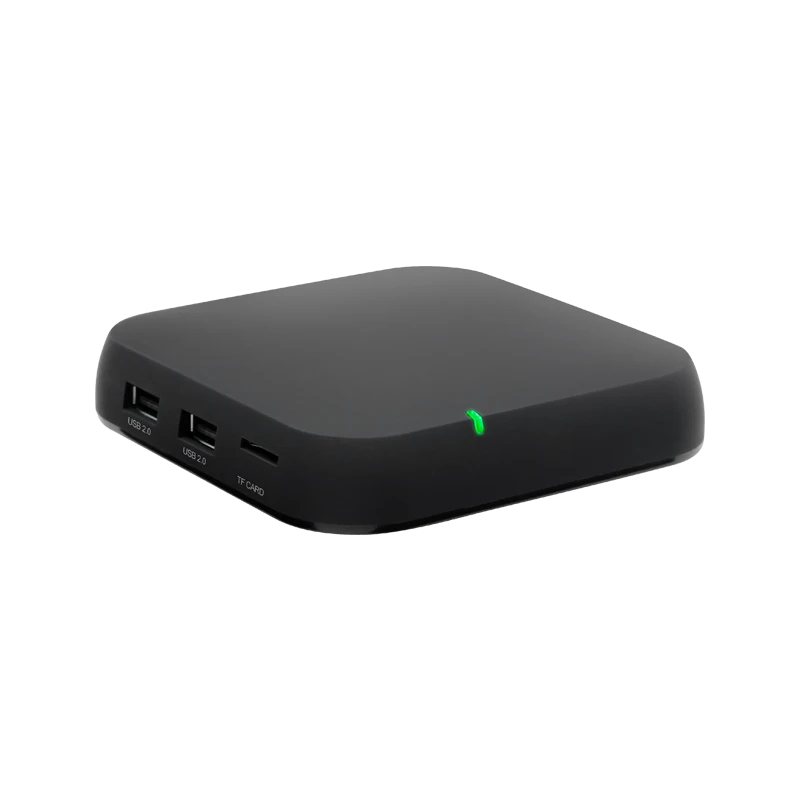
DM21 series — DataMax OEM platform
DM21 series AOSP / Google TV boxes
OEM-ready
GP93 projector — DataMax OEM platform
GP93 projector Sealed light engine
OEM-ready
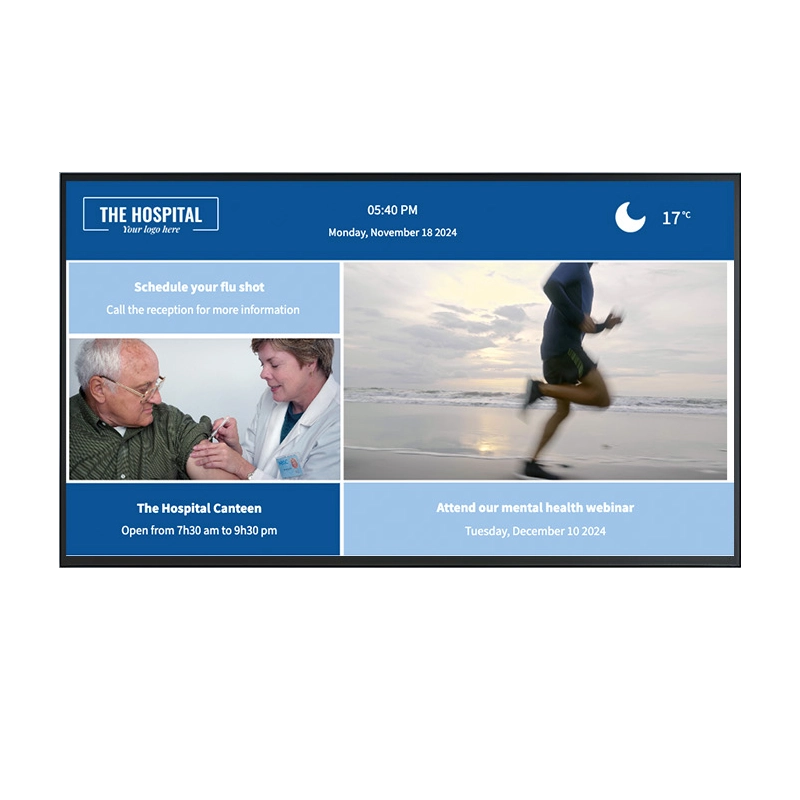
DS43 display — DataMax OEM platform
DS43 display Commercial signage
OEM-ready

Four layers we make yours

From the First Boot Screen to the Shipping Carton

Brand any one layer as a light programme, or all four for a fully private product.

  1. L1

    Boot & identity layer

    Boot logo, boot animation, device name and default wallpaper, compiled into the image and verified at first power-on.

    • Boot logo
    • Boot animation
    • Wallpaper
    • Device name
  2. L2

    System & launcher layer

    A pre-set launcher, partner app list, remote-key mapping, OTA endpoint and kiosk mode, built on a firmware branch named for your SKU.

    • Custom launcher
    • App preload
    • Remote mapping
    • OTA channel
    • Kiosk mode
  3. L3

    Cosmetic & ID layer

    Laser-etched or printed logo on the enclosure, branded remote, silkscreen and pantone-matched colour on qualified tooling.

    • Enclosure logo
    • Branded remote
    • Silkscreen
    • Colour match
  4. L4

    Packaging & documentation layer

    Retail or operator carton, quick-start guide, warranty card and compliance labels in your layout, with destination-specific labelling.

    • Retail box
    • QSG & warranty
    • Compliance labels
    • Pallet cartons

The commercial case for OEM

Why OEM Is the Fastest Route to a Branded Fleet

OEM’s speed is structural, not a sales promise. A new-product programme spends months — and its riskiest weeks — on board bring-up, antenna tuning, thermal validation, tooling and first-article approval. Every qualified DataMax platform has already absorbed that work: the SMT lines, test fixtures, aging racks and firmware branch exist before your project starts — for the streaming category specifically, the Android TV box OEM programme runs entirely on those qualified baselines. Your programme adds brand, configuration and destination scope on top of a proven baseline instead of paying tuition on the basics.

The fixed bill of materials is the commercial heart of that arrangement. It means the unit you approve as a golden sample is the unit the third reorder is built from: same radio module, same memory grade, same display panel class. When a component approaches end of life, substitution is a documented event — notice, proposed alternative, requalification evidence — never an undocumented swap between batches. For tender-based and operator business, that continuity is often worth more than the lowest first quotation.

Quality verification is built for outside eyes. The golden sample is signed before mass production, the batch passes IQC, in-process checks, aged 100% functional test and outgoing inspection against it, and customers audit the line or send third-party inspectors as a matter of routine. The full system, including the pilot-lot gate before any volume run, is described in the factory quality programme; factory capability and scale are summarised on the manufacturer overview.

Choosing between the three engagement models is straightforward: branding and packaging only is private label, configuring an existing qualified platform is OEM (this page), and changing the product itself — new board, new optics, new ID — is the ODM stage-gate process. Most brands begin with OEM to reach market fast, then move select lines to ODM once volume validates the specification. The practical first step is always the same: evaluate a branded sample before committing the run.

Preparing the enquiry

The Eight-Item OEM Configuration Checklist

A quote is only as precise as the brief. These eight inputs let engineering return feasibility, MOQ band and a dated plan in the first response.

  • 01

    Platform & model

    The shipping DataMax model or qualified platform — TV box, projector or signage display — plus any enclosure or size preference.

  • 02

    Performance build

    RAM/ROM configuration and the app roadmap it must cover, so memory is sized for year three rather than the demo month.

  • 03

    Connectivity

    Wi-Fi generation, Ethernet speed, Bluetooth and any 4G/5G cellular module with the exact target frequency bands.

  • 04

    Tuner / hybrid front-end

    DVB-T/T2/C/S2, ISDB or ATSC-class demodulator and any EPG or broadcast middleware for hybrid products.

  • 05

    OS track

    AOSP, certified Android TV/Google TV or a managed operator image — and whether per-SKU certification work is in scope.

  • 06

    Branding depth

    Which of the four layers are included (boot, launcher, cosmetics, packaging), including custom remote or pantone colour.

  • 07

    Destination markets

    The country list, so radio, safety and homologation packs plus destination labelling are scoped per named SKU.

  • 08

    Volume & schedule

    First PO, annual forecast, pilot quantity and target shipping dates; the MOQ band and lead plan are quoted against these.

Who does what

You Bring the Brand. We Bring the Engineering — and the Factory Behind It.

You

What the brand owner provides

  • Brand assets, trademarks and the authority to use them
  • Target market, required apps and use-case definition
  • Volume forecast and requested shipment schedule
  • Destination market and its compliance requirements
  • Approval of golden sample before mass production
DataMax

What our engineers own and our lines deliver

  • Qualified platform, fixed BOM and change-controlled substitution
  • Firmware build on a SKU-named branch with your boot and launcher
  • SMT, assembly, aging and QC on our own Shenzhen lines
  • Cosmetic branding, packaging assembly and documentation pack
  • Export booking, spares stock and firmware support after delivery

The OEM programme

Four Moves from Configuration to Confirmed Shipment

  1. 01

    Configure

    Choose platform, memory, tuner and ports. Engineering confirms feasibility and the fixed BOM.

  2. 02

    Brand

    We compile your boot, launcher, cosmetic and packaging layers onto the build.

  3. 03

    Sample

    Branded samples are built on the same line that later runs mass production.

  4. 04

    Produce

    After golden-sample sign-off, the batch runs through IQC, aging, FQC and OQC.

What ships with the order

A Deliverables Sheet, Not a Hand-Wave

Every OEM order is accepted against five documented deliverables, so there is no ambiguity about what arrives at your warehouse. Approve a branded production sample before the run, or browse the shipping Android TV box models you can configure and brand.

Ask for the OEM checklist
Hardware
Finished, branded units built to the agreed fixed BOM on DataMax tooling and lines.
Firmware
A SKU-named build with your boot, launcher, apps and OTA endpoint; source terms documented.
Packaging
Approved retail or operator cartons with quick-start guide, warranty card and labels.
Compliance pack
Configuration and documentation for the destination market, prepared per named SKU.
Lifecycle
Change-controlled substitution notices, stocked spare boards and ongoing firmware support.

OEM FAQ

Branded Orders, Clearly Answered

Comparing OEM with ODM or private label? The ODM page covers new-product development, and private label covers branding-only programmes.

Is OEM different from ODM and private label?

Yes. OEM builds your chosen configuration and branding on a platform we have already qualified, so it is the fastest and lowest-risk route. ODM adds joint hardware and firmware development around a new specification, and private label focuses on branding and packaging on an existing model. Many orders start as OEM and move toward ODM on the second generation.

Can we lock the bill of materials?

Yes. Every production order runs against an agreed, fixed BOM. If a component reaches end of life, substitution is change-controlled: we notify you, identify the alternative and document the qualification instead of silently swapping parts between batches.

What is the MOQ for a branded order?

MOQ depends on the model and on how deep the branding goes. Boot logo and launcher changes carry a low threshold; new enclosure tooling or a dedicated firmware branch carries a higher one. We quote the MOQ band for your exact model in the RFQ response rather than publish a one-size-fits-all number.

Do we own the firmware built for our brand?

IP terms are stated in writing per project. Your brand assets and configuration belong to you; underlying platform code remains with its owners, and the custom build is delivered on a named branch with the usage and update rights agreed in the contract.

Can the same model be certified for different markets?

Yes. We prepare destination-specific configurations and documentation packs — for example FCC-class, CE/RED-class, RoHS or regional homologation requirements — per named SKU. Certificates are only claimed once actually issued for that configuration.

How do we verify quality before the bulk shipment?

You approve a golden sample first, and the mass batch is inspected at IQC, in-process IPQC, 100% functional FQC after aging and outgoing OQC against that sample. You are welcome to audit the line or appoint a third-party inspector against the named production order.

How long does a branded OEM order take from PO to shipment?

It depends on branding depth and certification scope, and the plan is dated in the RFQ response rather than quoted as a slogan. Standard cosmetic and firmware branding on an already-qualified model typically runs in a matter of weeks after golden-sample sign-off; new destination certifications, custom colour or custom packaging tooling add time and are scheduled before the PO. The order samples page shows how the pre-production phase works.

How are spare parts, DOA units and after-sales handled?

Production orders include an agreed spare-parts allowance — main boards, power adapters, remotes and critical components are stocked against the SKU — and the warranty terms follow the warranty policy page. Firmware support continues from the named branch after delivery, and component end-of-life notices give time to plan substitutions before a reorder rather than discovering them at goods-in.

Can we audit the factory or send our own inspector?

Yes. Brand owners may visit the Shenzhen lines or appoint a third-party inspection agency against the named production order, at incoming, in-process or outgoing stage. The quality system — incoming control, in-process checks, aged functional test and outgoing inspection, plus the pilot-lot gate — is documented on the factory quality page and is the same system audited in person or remotely.

Configure It, Brand It — We Engineer and Build It

Send your target model, market and annual volume. Engineering replies with feasibility, the MOQ band and a fixed-BOM quotation.

Stay Updated with the Latest TV Box Trends

Subscribe to our newsletter and be the first to know about new products, OEM/ODM tips, exclusive offers, and factory updates.

Your experience on this site will be improved by allowing cookies.
Chat with us on WhatsApp