Cost-effective 4K TV sticks
The platform behind DataMax’s compact HDMI stick, built for app-driven streaming at a disciplined bill of materials.
DataMax device D03E Android 4K TV stick
Value & form-factor family
H313, H618, H723 and H137 power DataMax’s entry 4K sticks, cellular dongles, industrial signage players and dust-free or Google TV projectors — cost-effective hardware that still runs the full quality process.
Four qualified platforms
Cost-effective 4K TV sticks
The platform behind DataMax’s compact HDMI stick, built for app-driven streaming at a disciplined bill of materials.
DataMax device D03E Android 4K TV stickCellular dongles & 24/7 media players
Powers both the SIM-equipped TV dongle and the industrial-grade outdoor signage player built for continuous operation.
DataMax device DM33H 4G/5G dongle & DM33DS playerDust-free Android 14 projection
Runs a dust-free home-theatre projector on Android 14 with 4K video decode, pairing projection with a modern OS.
DataMax device GP93B dust-free projectorCertified smart projection line
The platform across DataMax’s Google TV built-in projector range, from high-brightness to CD-top designs.
DataMax device GP98 / GP94B / GP94C Google TV projectorsChoose by shape, not just spec
A pocket-sized HDMI device for app-driven streaming, bundled with broadband or sold at value price points.
View device H618A SIM-equipped dongle (B1/B3/B7/B20/B41) for entertainment that travels with the subscriber, not the fixed line.
View device H618An industrial-grade 5G/4G media player engineered for stable 24/7 continuous digital-signage operation.
View device H723An Android 14 dust-free projector with 4K decode, plus the H137-based Google TV projector range.
View deviceValue engineering, not cheap engineering
“Value” and “cheap” describe two completely different ways to reach a low price. Value engineering starts from the workload — what the device must do in year three of a bundle or signage contract — and removes capacity the use case never touches. Cheap engineering deletes whatever is invisible on a spec sheet: temperature-grade components, radio calibration, burn-in time and compliance work. One produces a box a telco can ship by the hundred thousand; the other produces warranty claims.
A TV stick BOM has roughly six levers: silicon tier, memory and flash, radio/modem, power and thermal design, enclosure and tooling, and certification scope. On an H313 stick the correct answers are usually modest: 4K HEVC decode, the memory tier that covers the real app set, a radio that actually reaches the router five metres and two walls away. Overspending on a faster SoC while underspending on the antenna is the classic beginner trade, and it is the trade DataMax engineering pushes back on during BOM review.
Form factor changes the engineering more than buyers expect. A stick lives in the hot air behind a television, so thermal design dominates. A cellular dongle is judged on antenna and module qualification. The DM33DS signage player is specified for 24/7 duty — continuous operation is a different reliability target than four evening hours — which is why it sits on an industrial build rather than the stick board. Projectors add optical cooling and sealed-light-path questions of their own.
Across every tier, the line that never moves is the quality process: frozen BOM, change-controlled substitutions, a signed golden sample, four inspection stages and a pilot lot before volume. You can read the full system in the factory quality programme, and the commercial flow — samples, MOQs and lead times — is on the order & samples page. For projection-specific engineering (sealed light path, dust, ANSI brightness), see the dust-free projector engineering notes.
H313 covers the real workload of an entry 4K stick; paying for decode, GPU cores or I/O the device never uses is the most common wasted dollar. The saving comes from engineering selection, not from a cheaper mystery chip.
App-driven sticks run well on 2GB/16GB; heavy operator launchers, PVR and multi-app programmes need more. Engineering states the ceiling of each build honestly instead of upselling RAM.
The H618 cellular builds use qualified LTE modules and specified antennas on B1/B3/B7/B20/B41; a weak radio drives returns that erase the BOM saving many times. Wi-Fi generation is matched to the stream resolution.
HDMI sticks live directly behind hot televisions. Component temperature rating, thermal interface design and the burn-in cycle stay identical across value and premium lines — a dead stick costs more than the saved enclosure.
CE/FCC-class radio testing, RoHS material control and target-market approvals remain in the BOM. The compliance hub shows what is filed per region; value programmes share the evidence, they do not skip it.
Incoming, in-process, aged 100% functional and outgoing inspection plus a pilot lot run unchanged on value products. The factory quality system page documents the full process.
Form-factor decision table
Start from where the device will live, then read across to the qualified platform, connectivity and the shipping DataMax model.
| Form factor | SoC | Connectivity | Typical programme | Shipping model |
|---|---|---|---|---|
| HDMI TV stick | H313 | Wi-Fi (dual-band configs) | Broadband bundles, retail entry shelves | D03E |
| Cellular dongle | H618 | 4G/5G SIM · B1/B3/B7/B20/B41 | Mobile-data subscribers, multi-site fleets | DM33H |
| Outdoor signage player | H618 | 5G/4G + industrial power input | 24/7 out-of-home signage networks | DM33DS |
| Dust-free projector | H723 | Wi-Fi · Android 14 | Home theatre and hospitality rooms | GP93B |
| Google TV projector | H137 | Wi-Fi · certified Google TV | Certified smart projection lines | GP98 · GP94B · GP94C |
When this is the right call
When the goal is a tight BOM on a competent 4K stick for broadband bundles or entry retail, without paying for silicon the use case never touches.
SIM-equipped H618 dongles for markets where subscribers stream over mobile data or move between locations.
The DM33DS media player is positioned for industrial stability in round-the-clock digital-signage deployments.
Dust-free and Google TV projectors on H723 and H137 bring a real app ecosystem to projected entertainment.
The shipping range
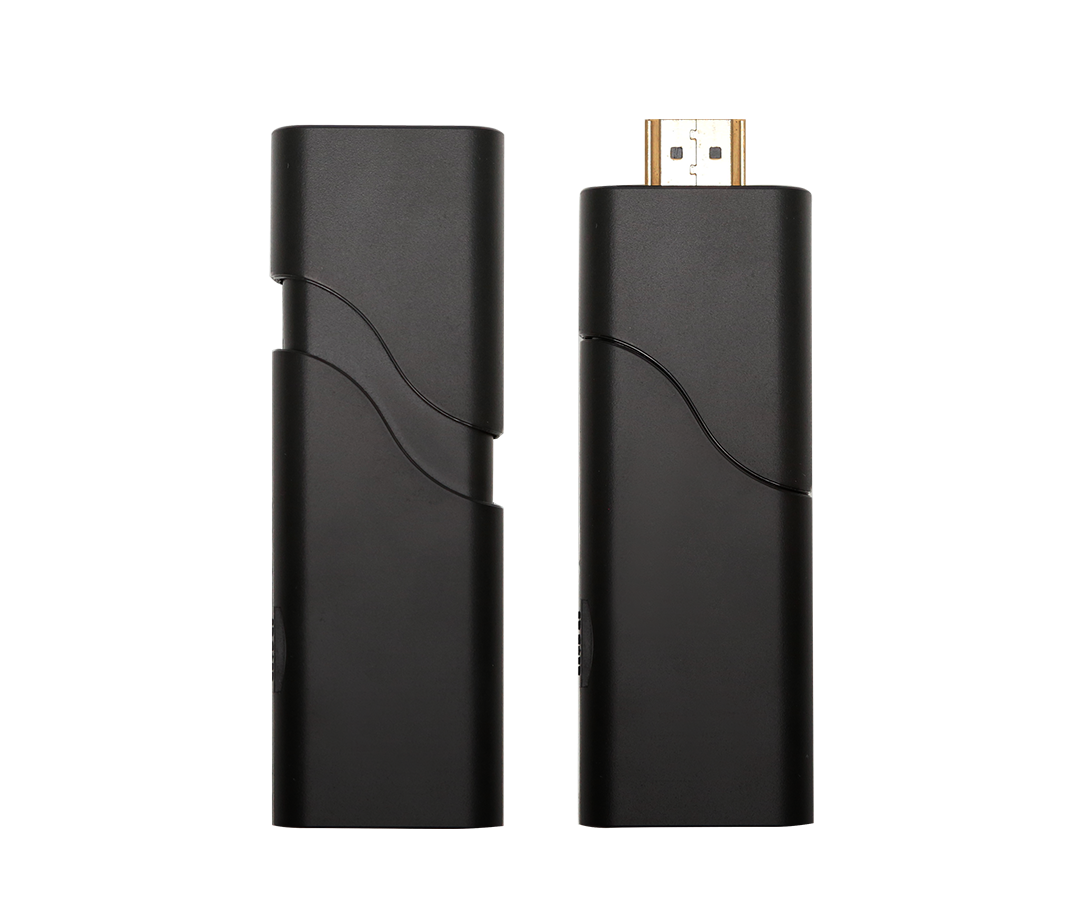 DataMax D03E Android 4K TV Stick with H313 chipset supports popular apps download from PlayStore
View product
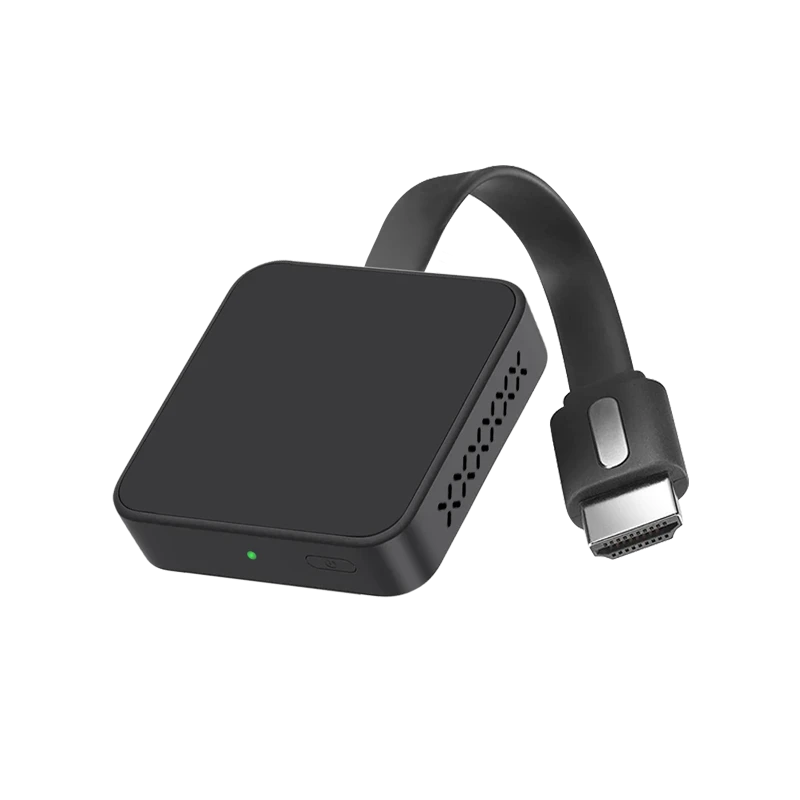 DataMax DM33H 4G/5G Android TV Dongle with SIM Card Slot (B1/B3/B7/B20/B41) configured by H618 chipset
View product
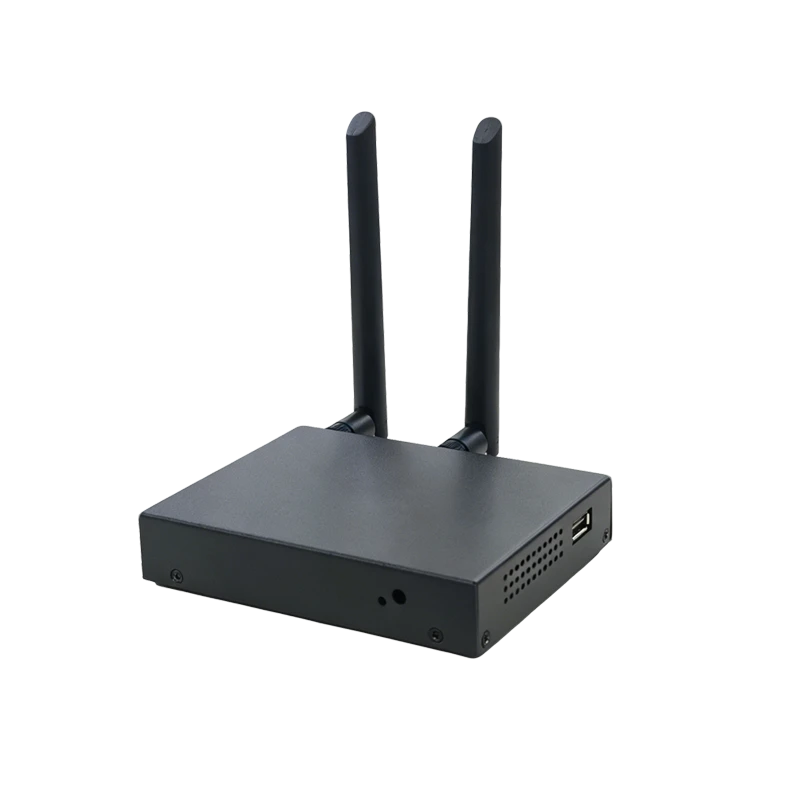 DataMax DM33DS 5G/4G LTE Media Player for Outdoor Digital Signage Industrial-grade stability for 24/7 continuous operation
View product
 DataMax GP93B Dust-Free Home Theater Projector with Allwinner H723 Android 14 built-in support 4K video Decoding
View product
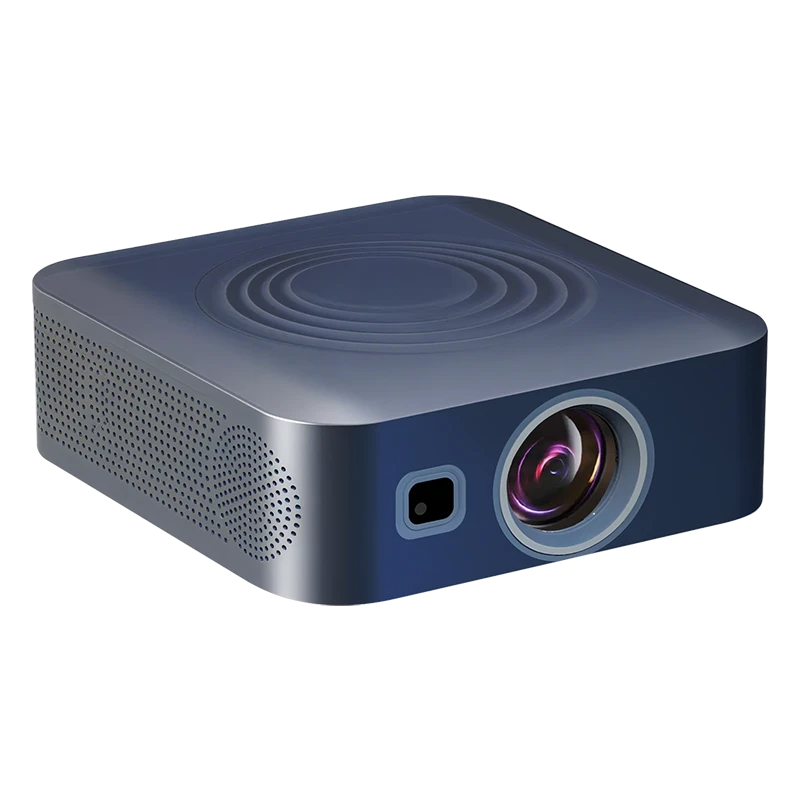 DataMax GP98 High Brightness 800 ANSI with Dust-free Design for Home Cinema
View product
 DataMax GP94B-GTV Unique Design Textured Projector with Google TV built-in
View product
 DataMax GP94C-GTV CD-top Design Google TV built-in Projector with 550 ANSI brightness
View product
Allwinner FAQ
For streaming-first boxes see Amlogic; for edge and AV-over-IP see Rockchip.
No — “value” and “low-end” are different things. H313 is genuinely the right cost-conscious choice for an entry 4K stick, but the same family in DataMax’s line also powers an industrial-grade outdoor signage player built for 24/7 duty (the DM33DS on H618) and Google TV certified projectors on H137. The honest rule is to match the chip to the workload: mainstream operator streaming often suits Amlogic, while edge and AV-over-IP suit Rockchip.
In the DataMax catalogue they are assigned to different jobs rather than sold as head-to-head options. H313 sits in the D03E compact 4K HDMI stick for value streaming. H618 is the platform for connected and industrial form factors — the SIM-equipped DM33H dongle and the DM33DS outdoor signage media player. If your device needs cellular or always-on duty, engineering steers you to the H618 products.
Yes, with the usual distinction between decoding and output, and between resolution and premium content protection. The D03E is sold as a 4K TV stick and the GP93B supports 4K video decode. Premium 4K services can additionally require hardware-backed DRM and a rights-holder agreement, which is separate from the chip’s decode capability — the DRM guide covers that distinction.
Yes. The DM33H is an Android TV dongle on the H618 with a SIM card slot supporting B1/B3/B7/B20/B41 for 4G/5G data, and the DM33DS is a 5G/4G outdoor signage media player on the same platform. These suit mobile-data and location-flexible deployments where a fixed broadband connection is not available.
DataMax uses it across the smart projector range: the GP93B dust-free home-theatre projector runs Android 14 on the H723 with 4K decode, while the GP98 high-brightness dust-free projector and the GP94B textured and GP94C CD-top Google TV projectors are built on the H137 with Google TV built in. Model selection depends on brightness, throw and whether you need the certified Google experience.
A lower BOM does not mean looser process. Every DataMax device runs on a fixed bill of materials with change-controlled substitution, a signed golden sample and four inspection stages — incoming, in-process, aged 100% functional and outgoing — followed by a pilot lot before volume. Value is taken out of unnecessary silicon and overhead, never out of the inspection line.
A 2GB device stays smooth for its designed job — a small set of streaming apps — but it is not the right build for a heavy operator launcher, background PVR or sideloaded multi-app use. The honest guidance is to buy the memory tier for the worst case in year three, not the demo in month one. If the roadmap includes a rich launcher, engineering recommends the higher-memory configuration from the first PO rather than hoping to upgrade the field fleet later.
Yes — the GP98, GP94B and GP94C are built as Google TV devices on the H137, meaning the licensed Google TV experience, Google Play and the associated provisioning run on those named projector models. Certification applies per model; it does not transfer to a different projector on the same chip. The Google TV projector guide covers what certified projection includes and how it differs from an AOSP projector.
Yes. Standard SKUs including the D03E stick and DM33H dongle are available as evaluation samples before branding or volume commitment, so you can test the radio, thermals and app behaviour in the real deployment. The order samples page explains the sample flow, typical lead times and how a sample lot converts into a private-label production run.
Tell us stick, dongle, player or projector, the connectivity and the volume. Engineering recommends the right Allwinner platform — and says honestly if another family fits better.
Subscribe to our newsletter and be the first to know about new products, OEM/ODM tips, exclusive offers, and factory updates.
