OTT streaming
App-based streaming over the subscriber’s broadband, on AOSP or Google TV hardware with the operator app and content DRM front and centre.
- Operator app as launcher
- Streaming DRM integration
- Box or HDMI stick form factor

AOSP and Google TV boxes and sticks engineered for managed services — middleware and DRM/CAS integration, field OTA and provisioning, a fixed bill of materials and supply continuity across the lifetime of a subscriber contract.
What operators actually ask
Qualified builds run on a fixed BOM with change-controlled substitution. Every batch is traced to a production order, so the hardware your subscriber receives in a later lot matches the unit you qualified.
Each programme ships on a SKU-named firmware branch with an OTA endpoint, first-boot provisioning, kiosk or managed-launcher behaviour and, where the platform allows, staged rollout and a recovery path.
DRM and CAS are integrated against the provider’s SDK under the licensing arrangement that applies to your service. We build and support the integration through joint qualification; content credentials stay with the rights holder.
You receive an end-of-life notice with an identified, qualified alternative and a migration window rather than a silent swap. Spare boards for active operator SKUs are stocked to protect field replacements.
Choose AOSP or Google TV, box or stick form factor, DVB / ISDB / ATSC-class tuner options, cellular variants and the middleware your platform uses — engineering confirms the combination at scoping.
A pilot lot validates fixtures, provisioning and firmware on production tooling; a golden sample is signed, and every batch passes IQC, in-process IPQC, aged 100% functional FQC and outgoing OQC.
The economics of a device programme
Operator procurement does not buy a device — it underwrites a multi-year service experience. The unit price on the proforma invoice is perhaps a third of the true cost: the rest sits in truck rolls, field returns, abandoned OTA updates and renegotiated reorders when a model silently disappears. That is why a fixed BOM, a named firmware branch and stocked spare boards are procurement terms, not engineering details.
Start with the operating model. A fully managed IPTV network and a retail-style OTT service make opposite demands on the operating system — the AOSP vs Google TV decision determines who controls the home screen, provisioning and update policy. Content security is equally structural: the DRM and CAS guide sets out what must be licensed and qualified before a single subscriber is connected.
The six failure modes on the right are the ones we see when operators switch away from broker-sourced boxes. Each is preventable at scoping: the ODM stage-gate process freezes the BOM before tooling, the certification discipline ties every document to the exact SKU, and the four-gate quality system keeps field DOA low enough for a helpdesk to live with.
Scope a programme with engineeringA cheaper quote can hide unannounced component swaps after the first batch. A fixed, named BOM with a formal product-change-notice process is what keeps year-three hardware identical to the qualified unit.
Boxes without a SKU-named firmware branch and an OTA endpoint become landfill at the first security patch or middleware upgrade. Ask who maintains the branch before you order.
Truck-roll provisioning destroys the economics of a rollout. First-boot provisioning, server-side configuration and kiosk or managed-launcher behaviour have to be designed in, not improvised in the field.
A chip supporting Widevine is not the same as a licensed, integrated, jointly qualified DRM/CAS stack. Content credentials and provider agreements must be in place before launch.
Product approvals attach to a named configuration. Paperwork for a sibling board will not clear customs for your SKU — compliance is a per-model workstream.
When mainboards are not stocked for the operator SKU, field replacements end as soon as the upstream model is discontinued. Multi-year contracts need a written continuity and EOL plan.
Deployment models
App-based streaming over the subscriber’s broadband, on AOSP or Google TV hardware with the operator app and content DRM front and centre.
Managed set-top boxes for live multicast and catch-up TV, provisioned and controlled through the operator middleware rather than a retail home screen.
Broadcast tuner and broadband OTT in one device for markets where live terrestrial, cable or satellite TV sits alongside streaming apps.
Low-cost boxes or sticks bundled with a broadband connection, carrying the ISP brand and providing a managed entertainment add-on to the connection.
Before the first truck rolls
A field launch is not a sample approval. Every item below is verified on production-intent hardware before the pilot lot is accepted.
See the full NPI stage gatesLifecycle responsibility
The smoothest rollouts agree this split before the purchase order. Device-side work sits with the factory; service and market obligations sit with the operator.
| Programme phase | DataMax — device side | Operator — service side |
|---|---|---|
| Scoping & feasibility | Platform options, chipset lifecycle review, middleware/DRM fit assessment and an MOQ band within about one business day | Service specification, launch countries, content stack and rollout forecast |
| BOM lock & certification | Fixed BOM, ID/tooling plan, compliance documents for the named SKU and laboratory coordination | Market authorisations requiring the importer of record, plus provider agreements and credentials |
| Samples & pilot lot | Engineering samples, golden sample and a pilot lot built on production tooling | Lab and field-trials sign-off, acceptance of the golden sample and pilot results |
| Launch & volume | IQC–OQC gates, aged 100% functional FQC, export packing and destination paperwork | Distribution, subscriber provisioning and first-line customer support |
| In-life operations | Versioned OTA builds, security patches on the active branch and stocked spare boards | OTA release decisions, canary groups, network operations and RMA handling to the subscriber |
| Refresh & end of life | Component EOL notices with migration windows and a pin-compatible or migration-qualified successor | Refresh planning and phased fleet replacement without breaking the service contract |
Need the manufacturing view of the same journey? The factory production path shows the six stages from RFQ to container, with the custom development engagement covering any phase that starts from a blank specification.
Qualified hardware
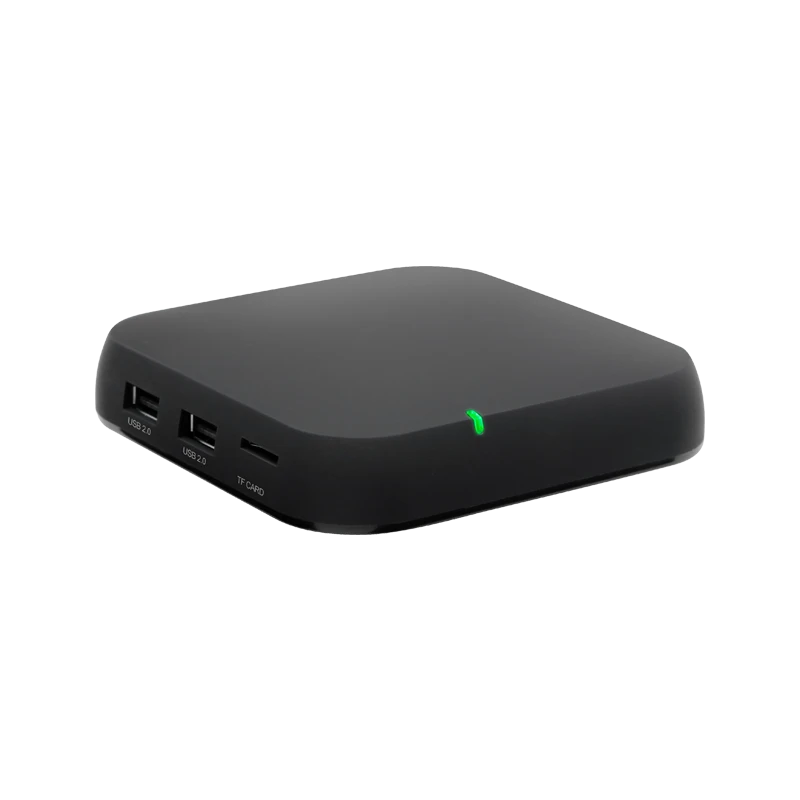
A Google TV path for services that need the certified app and casting ecosystem.
View device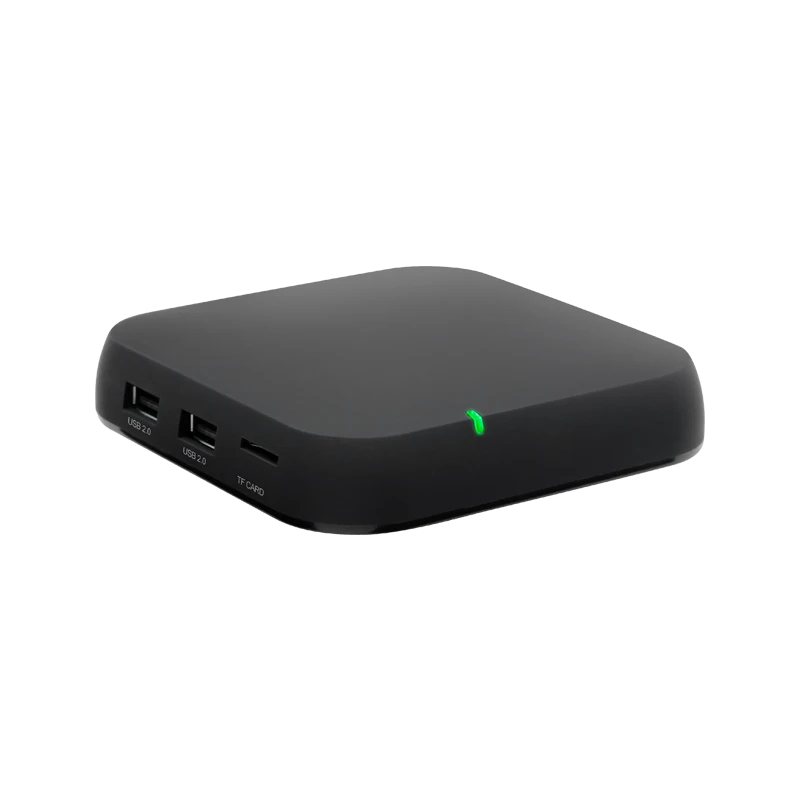
A fully customisable AOSP set-top for managed launchers and operator middleware.
View device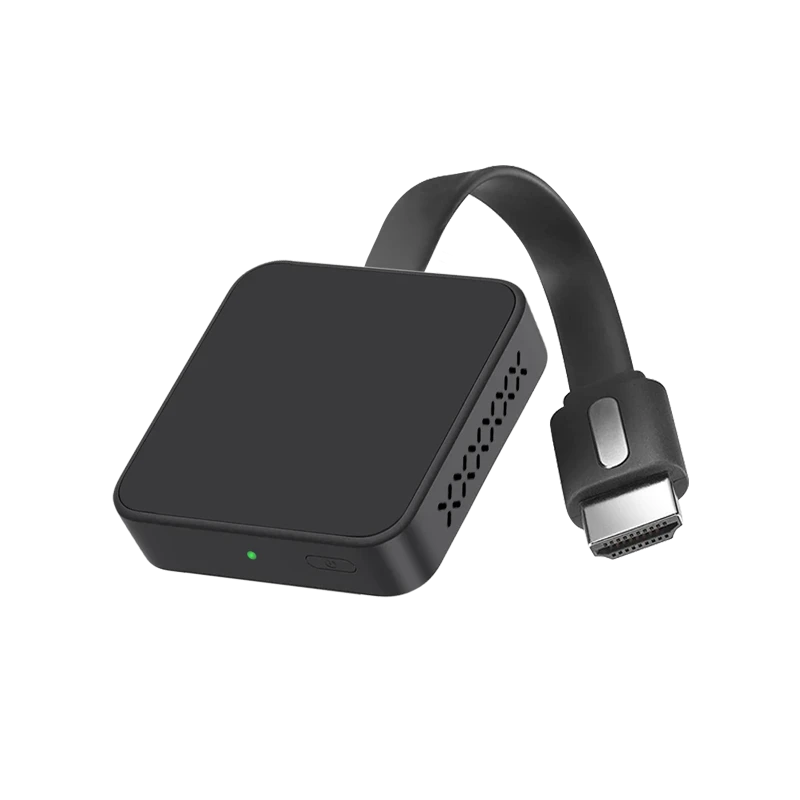
SIM-capable and hybrid-connected hardware for flexible deployments.
View device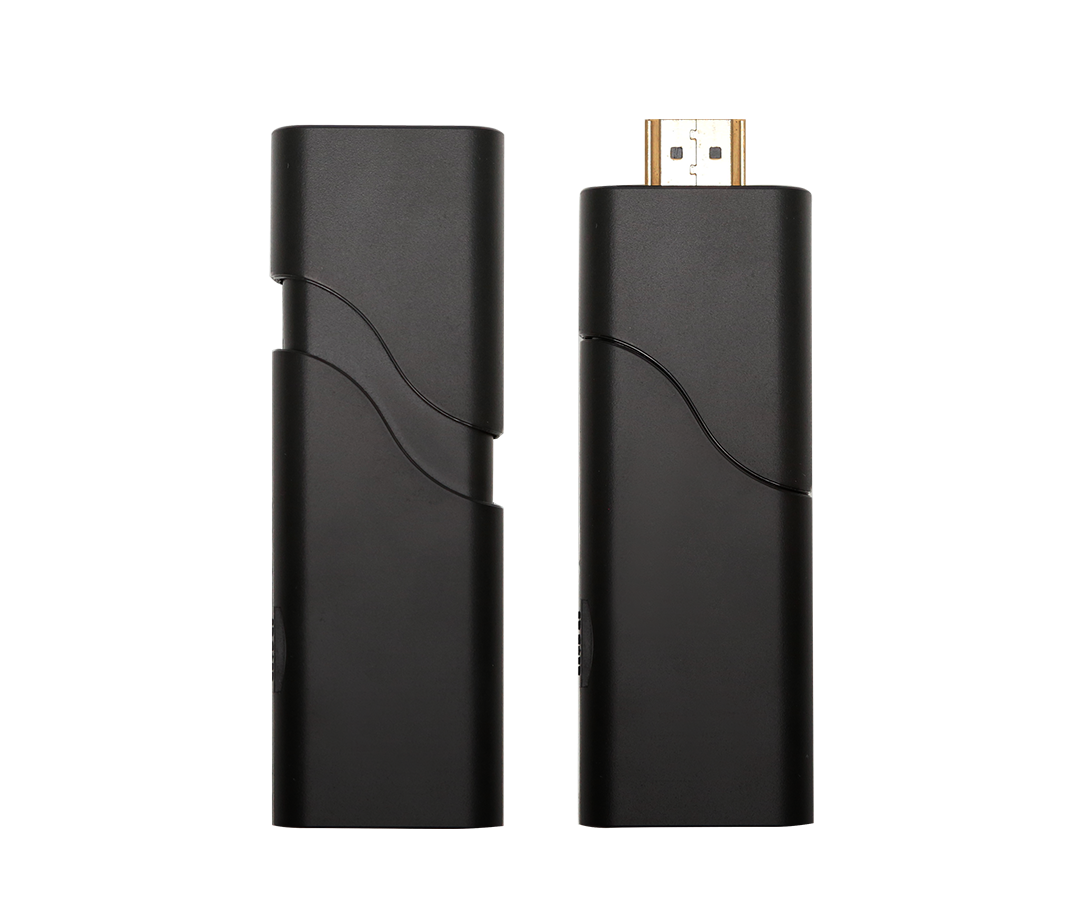
A compact, cost-optimised stick for broadband-bundled entertainment.
View deviceOperator FAQ
Evaluating content protection? Start with the DRM & CAS guide. Choosing the OS? See AOSP vs Google TV.
It depends on how much of the experience you control. Google TV gives the certified Google app ecosystem, casting and a familiar storefront, within Google’s certification and requirements. AOSP gives full control of launcher, provisioning and middleware with no third-party UX layer, which suits managed IPTV and bespoke services. Many operators run both: a Google TV retail SKU and a managed AOSP operator SKU.
Yes. Firmware engineering integrates the middleware client and CAS/DRM against the provider’s SDK on a named branch, and supports joint qualification with that provider. Any provider agreement, credentials or certification fees remain between you and the provider; we handle the device-side build and validation.
Releases come from your OTA endpoint as versioned packages, with staged rollout and a recovery path where the platform supports it. Operators typically run a small canary group before a full push, and security patches are carried on active branches under an agreed support plan.
Through a fixed BOM, change-controlled substitution, component end-of-life notices with migration windows, and stocked spare boards for active SKUs. Before commitment we review the component lifecycle of the chosen platform and flag any parts with shorter expected availability.
Yes. Platforms can be configured with DVB-T/T2/C/S2-class, ISDB-T-class or ATSC-class tuner options depending on the market, alongside OTT streaming in a hybrid UI. The exact tuner and the compliance pack are matched to the launch country.
After scoping and a golden sample, a pilot lot is built on production tooling to validate provisioning, firmware and line yield before volume. MOQ scales with the platform and customisation depth; the exact band for the chosen model and programme is quoted in the RFQ response rather than as a generic figure.
The base platform provides first-boot provisioning, server-driven configuration, a managed launcher and OTA, which most operator middleware stacks use for day-to-day fleet management. Where your platform specifies TR-069-class management, an RDK-based stack or a particular agent, engineering integrates and validates that client on the named firmware branch during joint qualification — the protocol support is confirmed per programme at scoping rather than assumed.
Every batch passes aged 100% functional FQC before OQC, which keeps field DOA low, and programmes include an agreed spare-boards allowance for active operator SKUs so replacements ship without waiting on production. Warranty terms, DOA allowance and advanced-replacement arrangements are defined in the supply agreement; failure units are analysed by production order and root causes are fed back to the line.
Yes, and many groups do exactly that. A Google-certified SKU serves retail and app-store expectations, while a managed AOSP SKU carries the operator launcher, provisioning and middleware for pay-TV subscribers. Engineering keeps the two programmes on separate named firmware branches and compliance packs, while aligning the hardware platform where possible so accessories, remotes and spare boards stay common across the fleet.
Share the network type, content stack, launch markets and rollout forecast. Engineering returns a platform recommendation, feasibility notes and an MOQ band.
This page is written by the DataMax Technology technical and procurement team for B2B hardware purchasing decisions. Send your service specification to [email protected].
Subscribe to our newsletter and be the first to know about new products, OEM/ODM tips, exclusive offers, and factory updates.
